HOME > Press&Media > Events >
How Does Asphalt Mixing Plant Work?
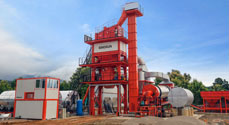
Due to the high requirements for pavement quality in different projects such as highways, municipal roads, and airport runways, asphalt plants have become essential equipment in modern road construction.I will introduce its components and full working process.

What is Asphalt Plant?
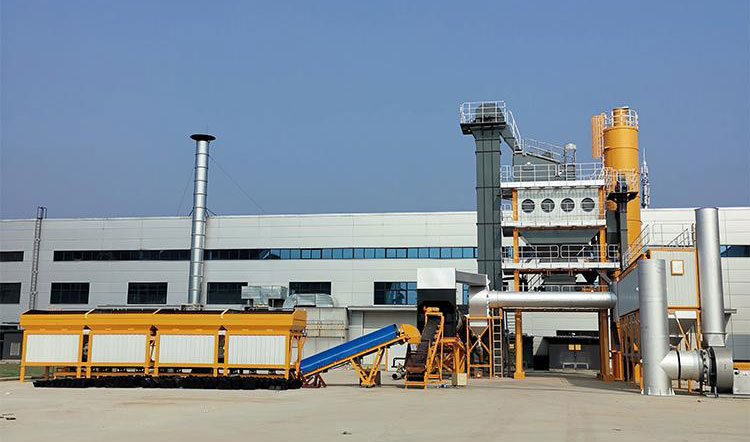
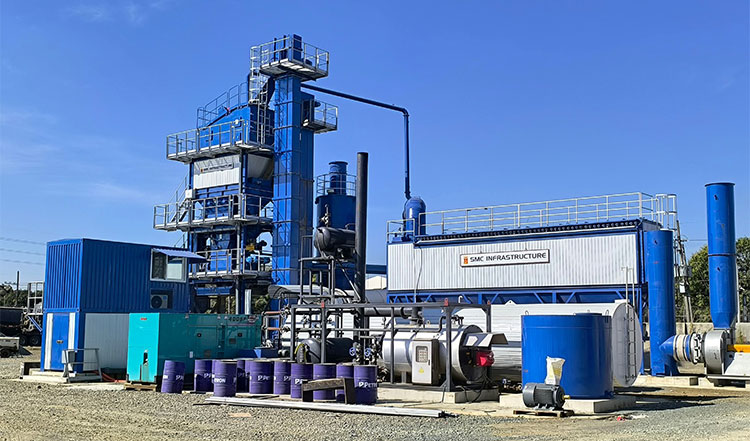
An asphalt mixing plant is a type of equipment designed to produce asphalt mixtures by heating, drying, weighing, and mixing aggregates, asphalt binder, filler, and additives in precise proportions. The finished asphalt mixture is widely used for the construction and maintenance of highways, roads, airports, parking lots, and other pavement projects.

 
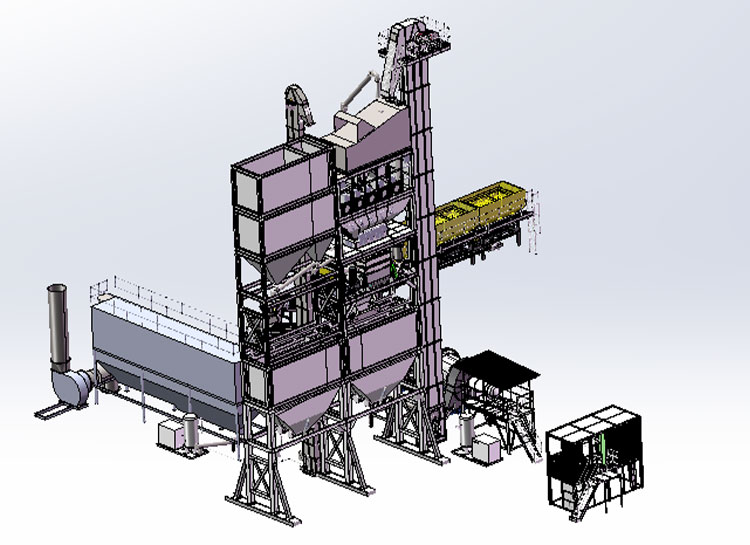
Main Components of Asphalt Mixing Plant
An asphalt mixing plant is composed of several important systems that work together. Below are the main components and their functions.
1.Cold Aggregate Supply System
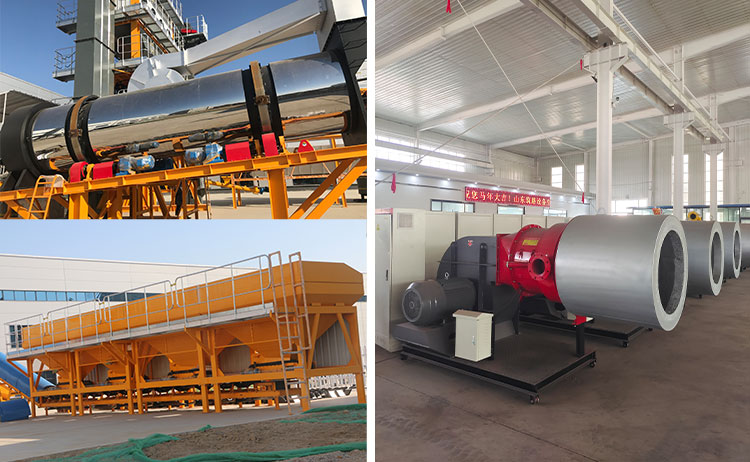
The cold aggregate supply system is used to store and feed different sizes of aggregates into the plant. Aggregates are delivered to separate bins and transported by conveyor belts according to the required mix proportion.Main Functions are storing raw aggregates 、controlling aggregate feeding rate and ensuring accurate proportioning.
 
2.Drying Drum
The drying drum heats and dries the cold aggregates by using a burner system. Moisture is removed to ensure proper asphalt mixing quality.
 
3.Burner System
The burner can generat high-temperature flame,provides heat energy for the drying process. Different fuels such as diesel, natural gas, coal, or heavy oil can be used depending on project requirements.you can control heating temperature,reduce fuel consumption with efficient combustion.

4. Hot Aggregate Elevator
After the aggregates are dried, they are transported to the vibrating screen through the hot aggregate elevator, and the materials are continuously conveyed to ensure the stable operation of the factory.
 
5. Vibrating Screen
 
The vibrating screen separates hot aggregates into different sizes and stores them in separate hot bins.Improving mix accuracy and ensuring stable asphalt quality
 
6.Hot Aggregate Bin
The hot aggregate bin temporarily stores screened hot aggregates before weighing and mixing.
 
7. Weighing System
The weighing system measures aggregates, asphalt, filler, and additives according to the asphalt mix formula.
 
8. Mixing Tower
The mixer is the core component of the asphalt plant where all materials are blended evenly under high temperature.
 
9. Bitumen Supply System
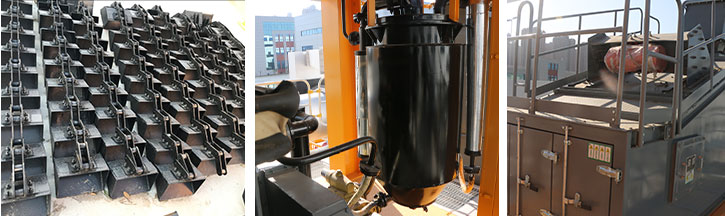
This system stores, heats, and delivers asphalt binder to the mixer.
 
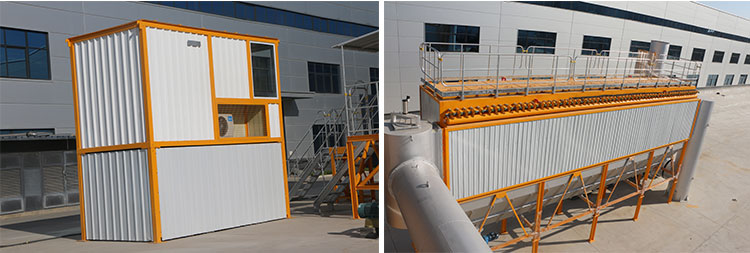
10. Dust Collection System
The dust collection system removes dust generated during production to protect the environment and improve working conditions.
 
 11. Control System
The control system is the “brain” of the asphalt plant. Modern plants usually use PLC automatic control systems for intelligent operation.
  
Full Working Process of Asphalt Mixing Plant Step by Step
 
An asphalt mixing plant produces asphalt mixtures through a complete process of feeding, drying, screening, weighing, mixing, and storage. Below is the step-by-step working process of how an asphalt plant produces high-quality asphalt mixture.
 
Step 1: Cold Aggregate Feeding
Different sizes of cold aggregates are loaded into separate cold aggregate bins by loaders.The aggregates are then transported by belt conveyors according to the required mix proportion.
 
Step 2: Aggregate Drying and Heating
The cold aggregates enter the drying drum, where a burner generates high-temperature flame to heat and dry the materials.
 
Step 3: Hot Aggregate Lifting
After drying, the hot aggregates are transferred by the hot aggregate elevator to the vibrating screen system.
The vibrating screen separates hot aggregates into different sizes and stores them in separate hot bins.
The screened aggregates are weighed automatically according to the preset asphalt mix formula.
 
Step 4: Aggregate Screening
The vibrating screen separates hot aggregates into different sizes and stores them in separate hot bins.
 
Step 5: Aggregate Weighing
The screened aggregates are weighed automatically according to the preset asphalt mix formula.
At the same time:
Mineral powder is weighed
Asphalt binder is measured
Additives can also be added if required
 
Step 6: Mixing Process
All weighed materials enter the mixer, where aggregates, asphalt, filler, and additives are fully mixed under high temperature.The mixing time is automatically controlled by the system.
 
Step 7: Finished Asphalt Discharge
After mixing, the finished asphalt mixture is discharged into a storage silo or directly loaded into transport trucks.The hot asphalt mixture is transported to the road construction site by dump trucks for paving and compaction.
 
Besides the main production process, several supporting systems are also important:
System Function
Burner System Provides heat energy
Dust Collection System Reduces dust pollution
Asphalt Supply System Stores and heats asphalt
Control System Controls automatic operation
RAP Recycling System Reuses reclaimed asphalt pavement
  
Temperature & Ratio Control Standard
Asphalt Binder Temperature Control
The asphalt binder must remain in a fluid condition to ensure proper mixing and coating.Standard Asphalt Temperature:
Normally between 140°C and 170°C
Modified asphalt may require higher temperatures
The final asphalt mixture temperature directly affects paving quality and compaction performance.
 
Standard Mixing Temperature:
Asphalt Type Recommended Temperature
Conventional Asphalt 150°C – 170°C
Modified Asphalt 170°C – 190°C
Warm Mix Asphalt 120°C – 140°C
 
Environmental Protection System Function of Asphalt Plant
 
The environmental protection system of an asphalt plant is designed to reduce dust emissions, harmful gases, noise pollution, and energy waste during the asphalt production process. Modern asphalt plants are equipped with advanced environmental protection technologies to meet strict environmental standards and create a cleaner and safer working environment.
 
1. Dust Collection Function
During aggregate drying, screening, and mixing, a large amount of dust is generated.
The dust collection system captures and filters these particles before they are released into the atmosphere.Main Equipments are primary dust collector、baghouse dust collector、dust conveying system
 
2. Smoke and Exhaust Gas Treatment
The burner and drying system produce exhaust gases during operation.
The environmental protection system helps reduce harmful emissions such as smoke, sulfur dioxide, and carbon emissions.
 
3. Noise Reduction Function
Equipment such as burners, motors, fans, and vibrating screens generate noise during production.
 
4. Waste Recycling Function
Modern asphalt plants can recycle collected dust and reclaimed asphalt pavement (RAP) materials.
 
 Different Types of Asphalt Plants & Their Working Differences
 
Asphalt plants can be classified into different types according to their structure, production method, and mobility. Each type has different working principles, production capacities, and application scenarios. Choosing the right asphalt plant depends on project size, construction requirements, and site conditions.
 
1. Batch Type Asphalt Plant
 Asphalt  batch plant produces asphalt mixture batch by batch.
Each mixing cycle is completed separately with accurate weighing and mixing.
 
2. Drum Mix Asphalt Plant
A drum mix asphalt plant performs drying and mixing continuously in the same drum.
Working Principle:
Cold aggregates enter the rotating drum
Aggregates are heated and mixed continuously
Asphalt binder is added during drum rotation
Finished mixture is discharged continuously
 
3. Stationary Asphalt Plant
A stationary asphalt plant is installed permanently at one location for long-term production.Fixed installation with complete supporting systems,Continuous large-scale asphalt production
 
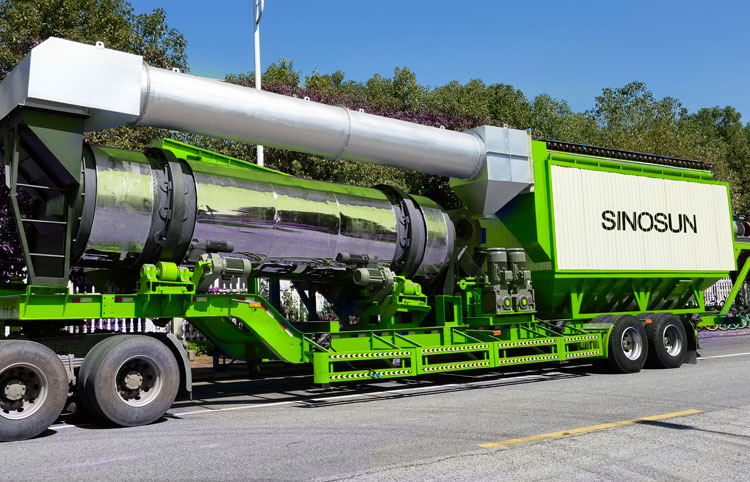
4. Mobile Asphalt Plant
A mobile asphalt plant is designed for easy transportation and quick installation.
Compact modular structure,Easy transportation、Fast installation.Lower foundation requirements.Medium and small projects.
 
5. Continuous Asphalt Plant
A continuous asphalt plant continuously feeds and mixes materials without interruption.
 
6. Recycled Asphalt Plant (RAP Asphalt Plant)
A recycled asphalt plant uses reclaimed asphalt pavement (RAP) materials together with new aggregates.Road rehabilitation projects、Sustainable infrastructure construction.

 
The working principle of an asphalt plant is to transport different sizes of aggregates into a drying drum through a conveying system for heating and drying. After being lifted, screened, and accurately weighed, the aggregates are mixed with heated asphalt, mineral filler, and additives in a mixing system according to a preset ratio under high-temperature conditions. This process produces high-quality asphalt mixture that meets road construction requirements. The entire production process is monitored by an automatic control system to ensure stable mixture quality, accurate proportioning, and efficient operation.

Pre:first page Next:Philbex 2013

Office

  • Philippines:17F High Street South Corporate Plaza Tower 2, 26thStreet cor. 11th Ave, BGC, Taguig

    TEL: +63 908 868 1506

    Email: eagloballbuilders@gmail.com

  • Singapore:60 Paya Lebar Road, #12-03, Paya Lebar Square, Singapore 409051

  • Thailand: 948/22 Rama 2 Rd, Mahachai Samutsakon 74000

    TEL: +0642 85 2984 Mr. Chirapat

  • Iran: Tehran, Vanak, Sheikh Bahaei square, Sadaf Tower, No.47

Contact Us

  • Linkedin
  • Facebook
  • Twitter
  • YouTube
Copyright © Zhengzhou SINOSUN Machinery CO.,LTDPrivacy Policy